Knowledge
Learn
Formulation science, botanical ingredients, and the thinking behind how we make skincare. Written for the curious, the sensitive, and the discerning.

Physiological Beauty
The future of beauty is physiological — and Aphora has always been.
Something is quietly shifting in beauty — from aesthetic-perfection to physiological wellness. Six axes: nervous system, inflammation, circulation, recovery, longevity, metabolic health. Aphora has been composing for all six from the beginning. A founder essay on where the category is heading, and what it means for your skin.
Barrier Science
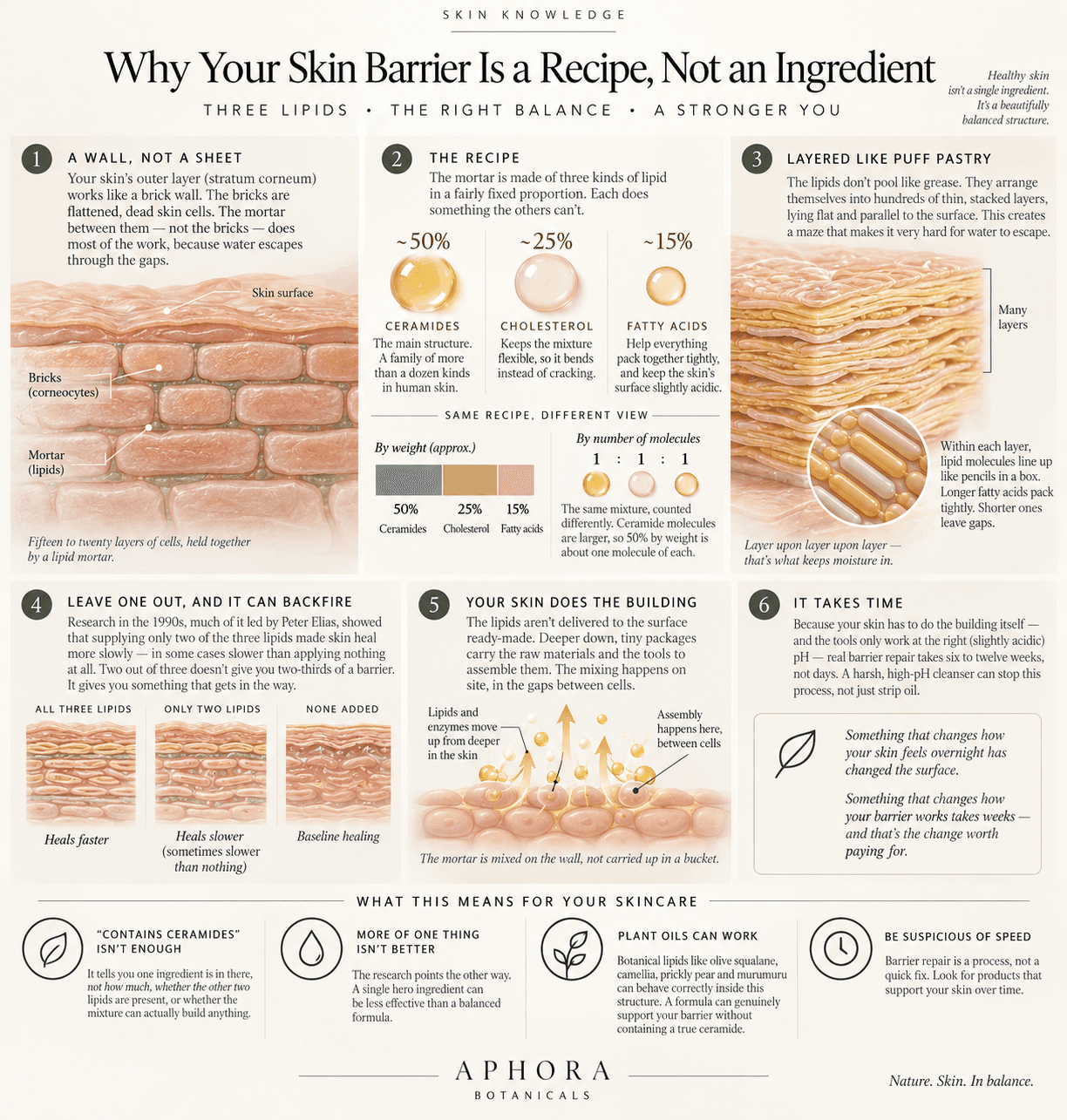
Why Your Skin Barrier Is a Recipe, Not an Ingredient
Your skin's barrier is a wall, and the mortar between the bricks is made of three kinds of lipid in a set proportion. Get the proportion wrong and it will not set — no matter how good one ingredient is. Why 'contains ceramides' tells you far less than it sounds like it does.
Acids & The Barrier
Why Mandelic Is the Strongest Acid We Use
Aphora's objection to acids was never to acids. It was to dose, pH, frequency, and leaving skin bare afterwards. Why mandelic is the ceiling for a barrier-first range — and the four rules that govern every acid we use.
Skincare Methodology
What Barrier-First Actually Means
Barrier-first is not a marketing phrase — it is a formulation methodology rooted in corneotherapy, the evidence-based approach founded by Professor Albert Kligman. A ground-up guide to what the stratum corneum actually is, why the 1:1:1 lipid ratio matters, and what a barrier-first practice rejects.
Menopause & Skin
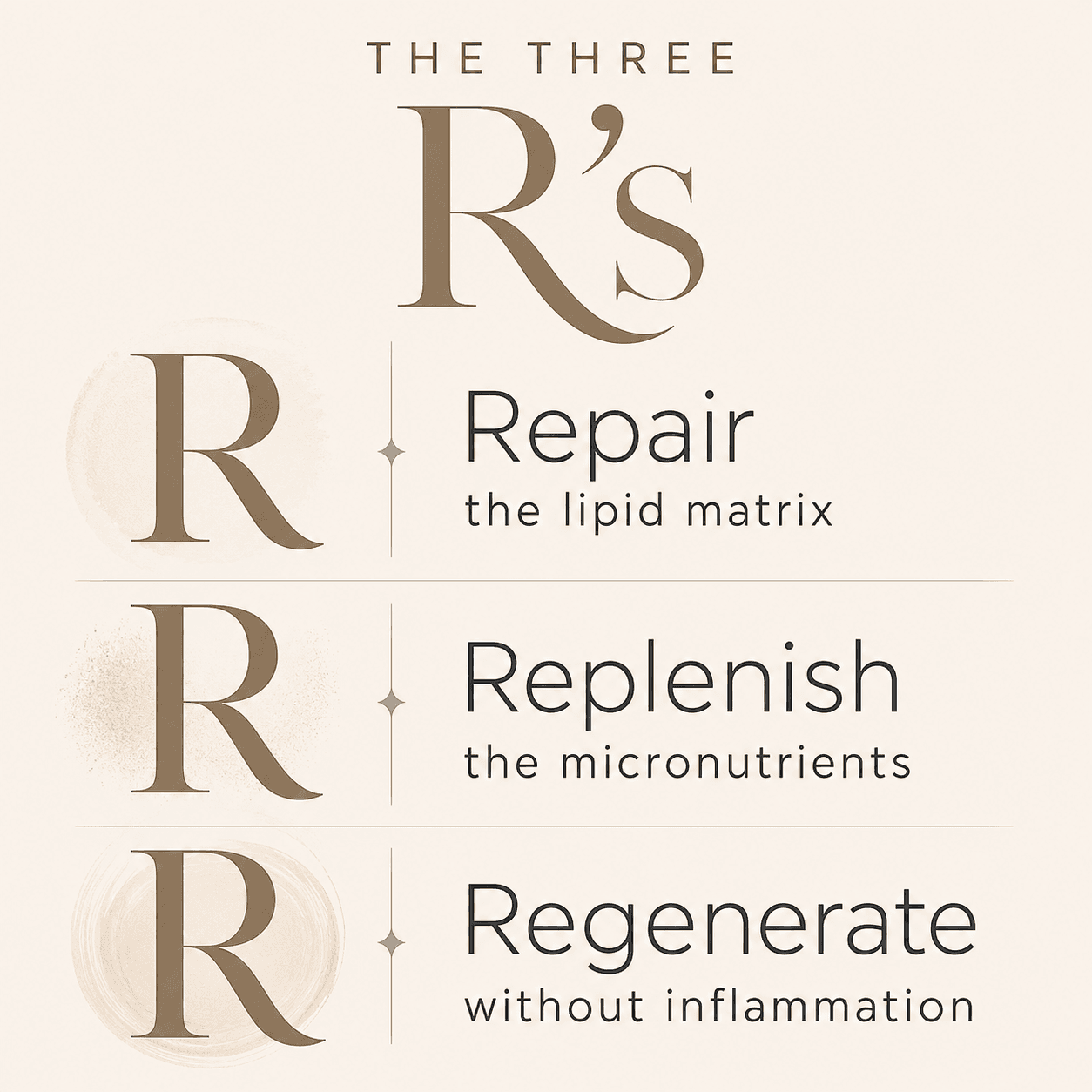
The 3 R's of Menopausal Skin
Peri, meno, and post-menopause change the skin's biology — thinner stratum corneum, lipid depletion, microbiome shift, slower repair. The 3 R's of corneotherapy — Repair, Replenish, Regenerate — applied specifically to skin in this chapter.

Language & Skincare
Why We Don't Use the Word 'Anti-Aging'
'Anti-ageing' is not a neutral word. It implies fighting the biology, and the products the vocabulary sells reflect that framing — peels, retinoic acid, aggressive resurfacing. Aphora chooses a different vocabulary, and the different methodology that comes with it.

Menopause & Skin
Menopausal Skin: What Actually Changes and What Actually Helps
A considered evidence-led guide to perimenopausal, menopausal, and postmenopausal skin — what actually changes at each phase, what the current research shows, and the ingredients and principles that genuinely help.
Bioactive Integrity
Why Retail Skincare Bioactives May Not Work For You
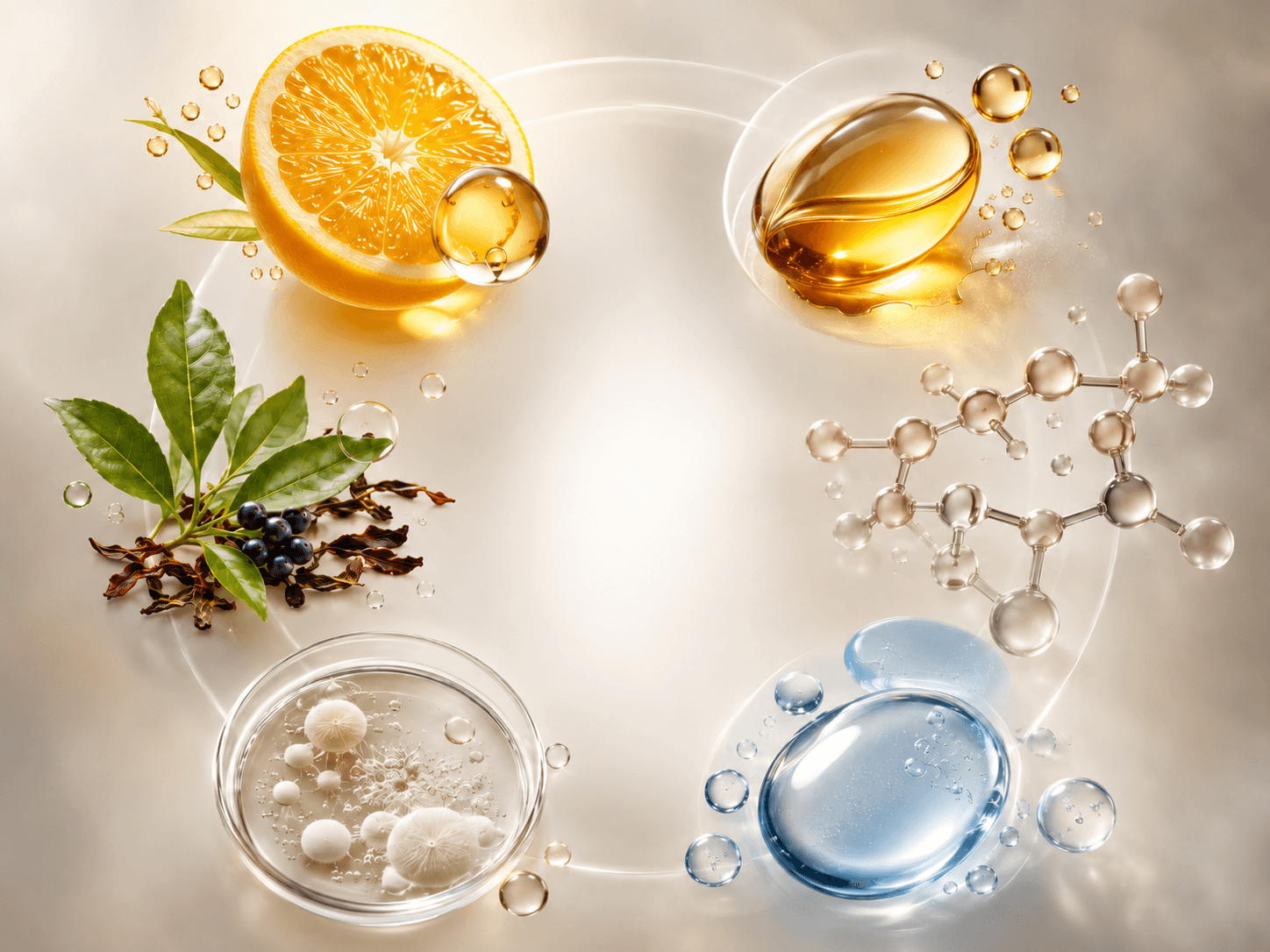
The actives advertised on a retail skincare label are real on the day the product is filled — but bioactives degrade with time, oxygen, light, and heat. After 12 to 24 months in the conventional retail supply chain, what remains in the bottle may be a fraction of what the label claims. A formulation-led look at why, and the fresh-batch alternative.
Skin Biology & Formulation
The Holistic Skin Barrier Guide
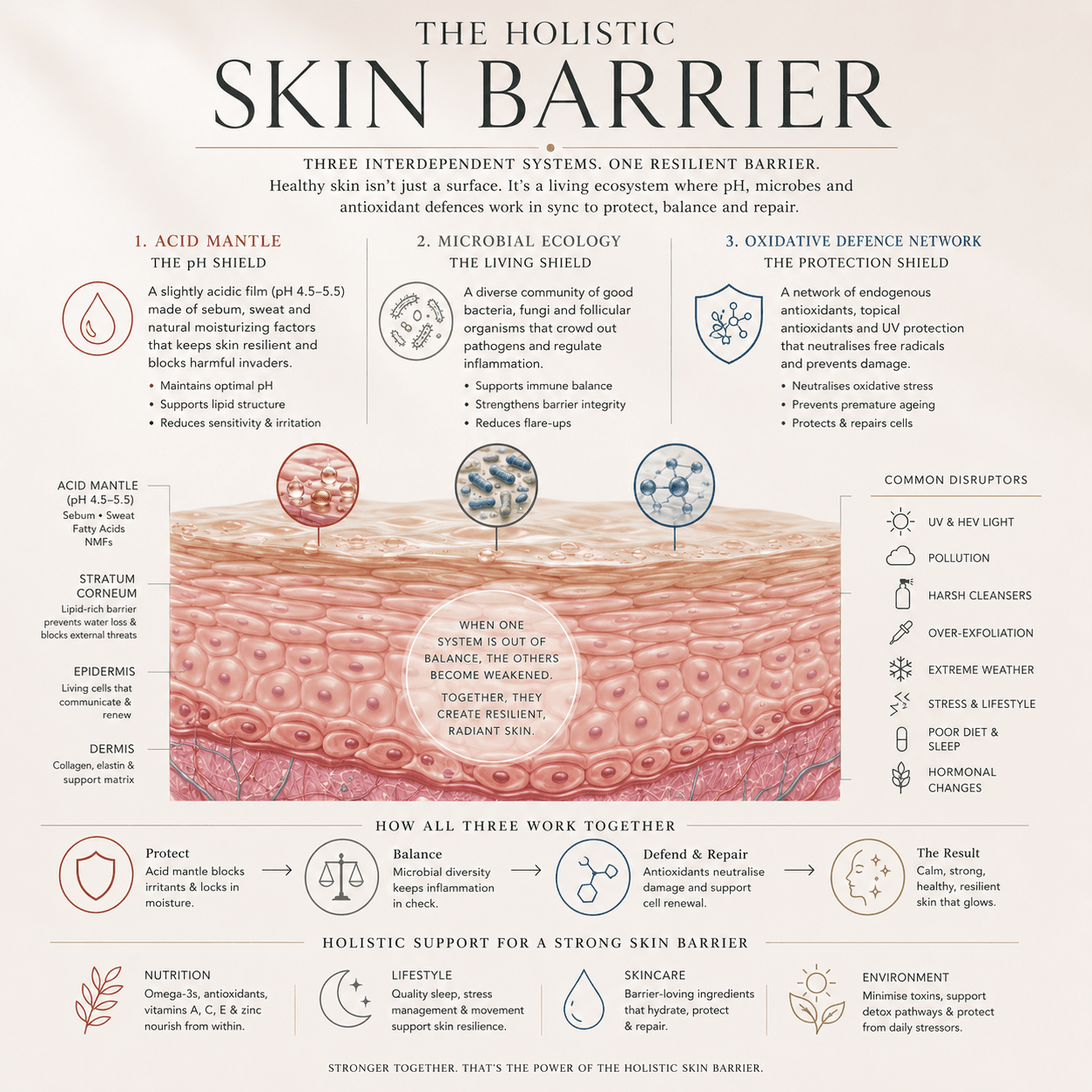
The skin barrier is not a single layer — it is three interdependent systems: the acid mantle, the microbial ecology, and the oxidative defence network. This guide explains how each functions, how each fails, and which bioactives genuinely support them.
The Science of Formulation
Why Retail Store Brands Add Preservatives
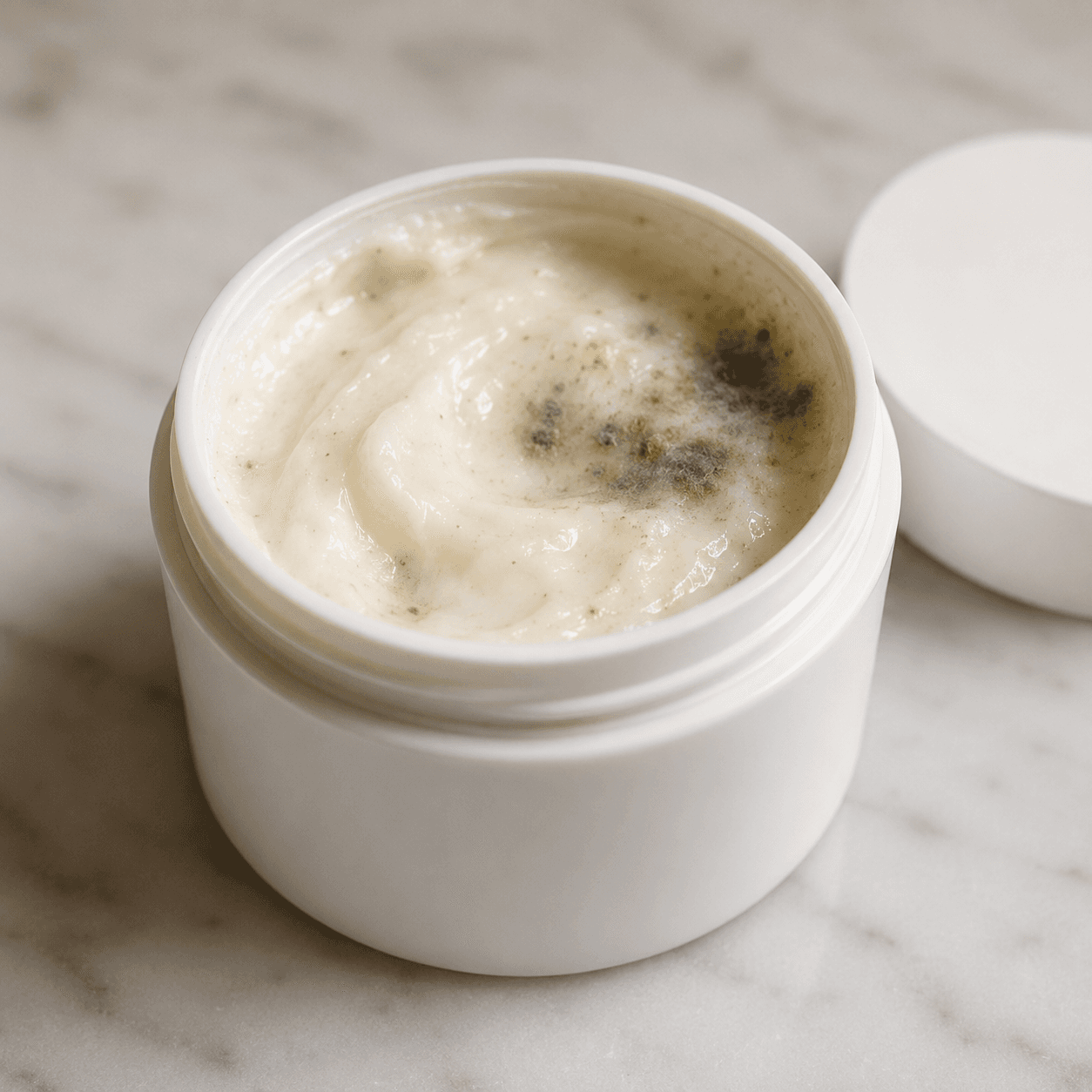
Water-based skincare requires antimicrobial preservation — but many of the preservatives in widespread use carry documented regulatory and dermatological concerns. A formulation-led look at what's used, what's restricted, and the alternative offered by anhydrous and fresh-batch formats.

Clean Beauty & Formulation
Refrigerated Skincare: The Future of Truly Clean Beauty
Genuinely clean skincare has always faced a paradox: reduce synthetic preservation, and ambient shelf life suffers. Refrigerated formulation resolves this tension — and it is where honest clean beauty is heading.
Skin Biology & Treatment
Skincare for Rosacea and Sensitive Skin
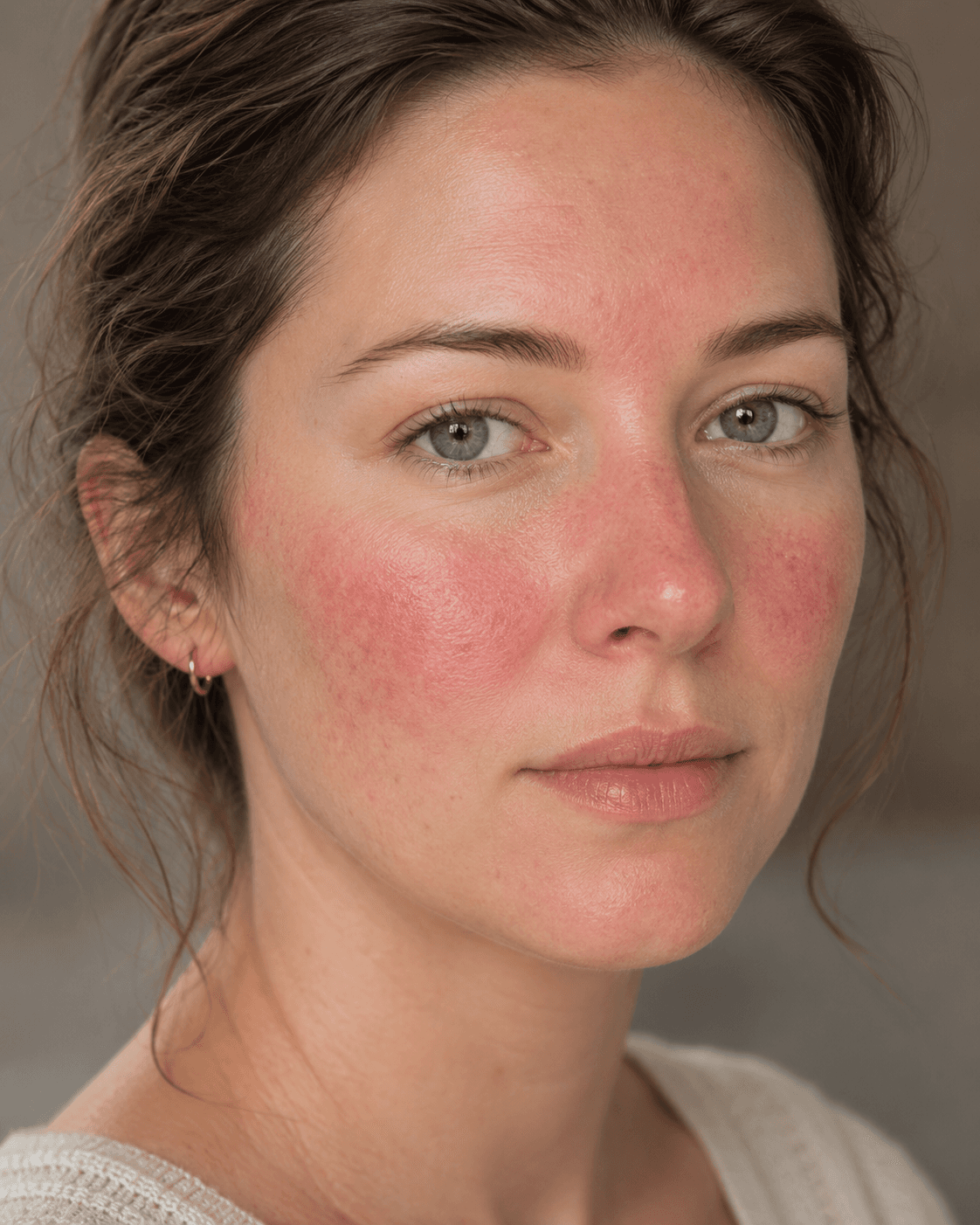
Rosacea requires skincare that repairs the barrier, calms chronic inflammation, and avoids known triggers. This guide covers the science of rosacea-prone skin, which ingredients help or harm, and how the right botanical formulations can nurture and progressively condition the condition.
Skin Biology
Understanding the Skin Barrier
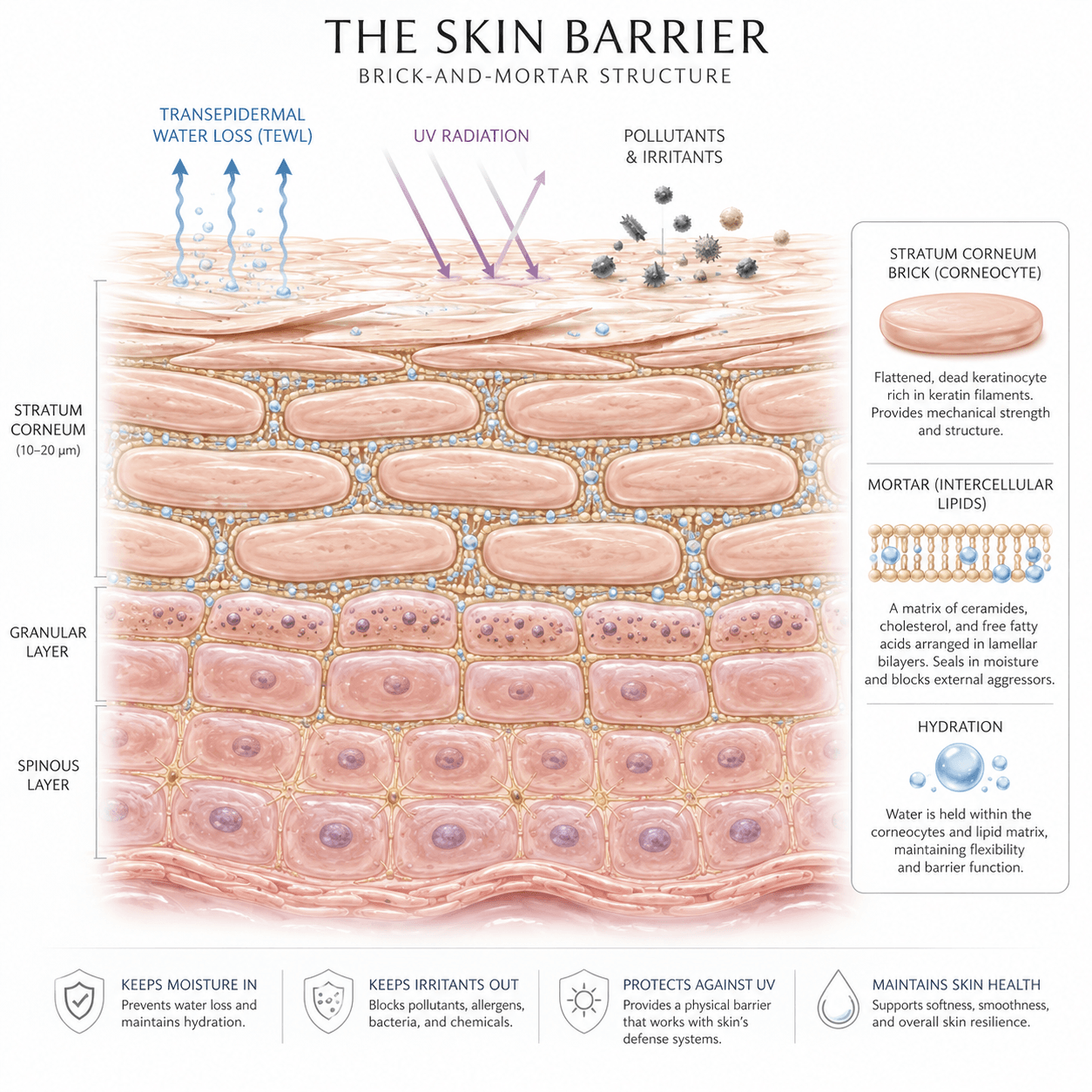
The skin barrier is the body's primary defence against moisture loss, environmental damage, and chronic skin conditions. This guide covers its architecture, how it becomes compromised, what it needs to repair, and why barrier integrity is the foundation of all effective skincare.

Production Philosophy
Why Fresh-Batch Skincare Matters
Fresh-batch skincare, when driven by a philosophy of ingredient potency rather than inventory management, means botanical actives reach the skin closer to their moment of peak efficacy. This is not a limitation of scale. It is a deliberate production choice made entirely in service of the ingredient.
Also from Aphora
Fay writes a Journal.
Letters and essays — on what she's formulating, and what the industry keeps getting wrong.
Read the JournalReference
Two glossaries
Skin Science Glossary
The biology our articles keep leaning on, in plain English — the stratum corneum, corneocytes, desquamation, water loss, the acid mantle and what actually governs an acid's strength.
ReadIngredients Glossary
Every ingredient in every Aphora formula, with its botanical source, geographic origin and extraction method named openly — because how a plant is extracted matters as much as where it grew.
Read