Ingredients
Not Every Bakuchiol Is the One in the Studies
Quick Answer
Bakuchiol is a plant compound from the seeds of the babchi plant. In a 12-week randomized, double-blind trial at UC Davis, it reduced the area of fine lines and improved uneven pigmentation about as well as retinol did, and the people using it had significantly less flaking and stinging. The trial used purified bakuchiol, over 99% pure, with the light-sensitizing compounds from the seed removed. “Bakuchiol” on a label does not tell you whether you are getting that material. The bakuchiol in our Recovery Night Face Oil is.
Key Facts
What it is
A plant compound from the seeds of babchi (Psoralea corylifolia), India
What it is not
A retinoid. It is built differently and does not behave like vitamin A
The trial
44 adults aged 31 to 56, randomized and double-blind, 12 weeks, UC Davis
What changed
Less fine-line area and more even-looking tone, with significantly less flaking and stinging than retinol
When
The change in fine lines was significant at 12 weeks, not before
Ours
Sytenol A, over 99% pure, at 1%, in every batch of Recovery Night Face Oil
Retinol asked more of your skin than it gave back
You tried retinol because everyone said to. For the first few weeks your skin flaked, stung and looked worse, and you were told that meant it was working. Some people push through that. Plenty don’t, and they are not wrong to stop.
That trade gets harder to make as skin changes. In the menopausal years skin is drier, makes less of its own oil and takes longer to settle after it has been upset. Asking it to go through weeks of peeling to get somewhere is a bigger ask than it was at 30.
Bakuchiol is the reason that trade is no longer the only way.
What bakuchiol is
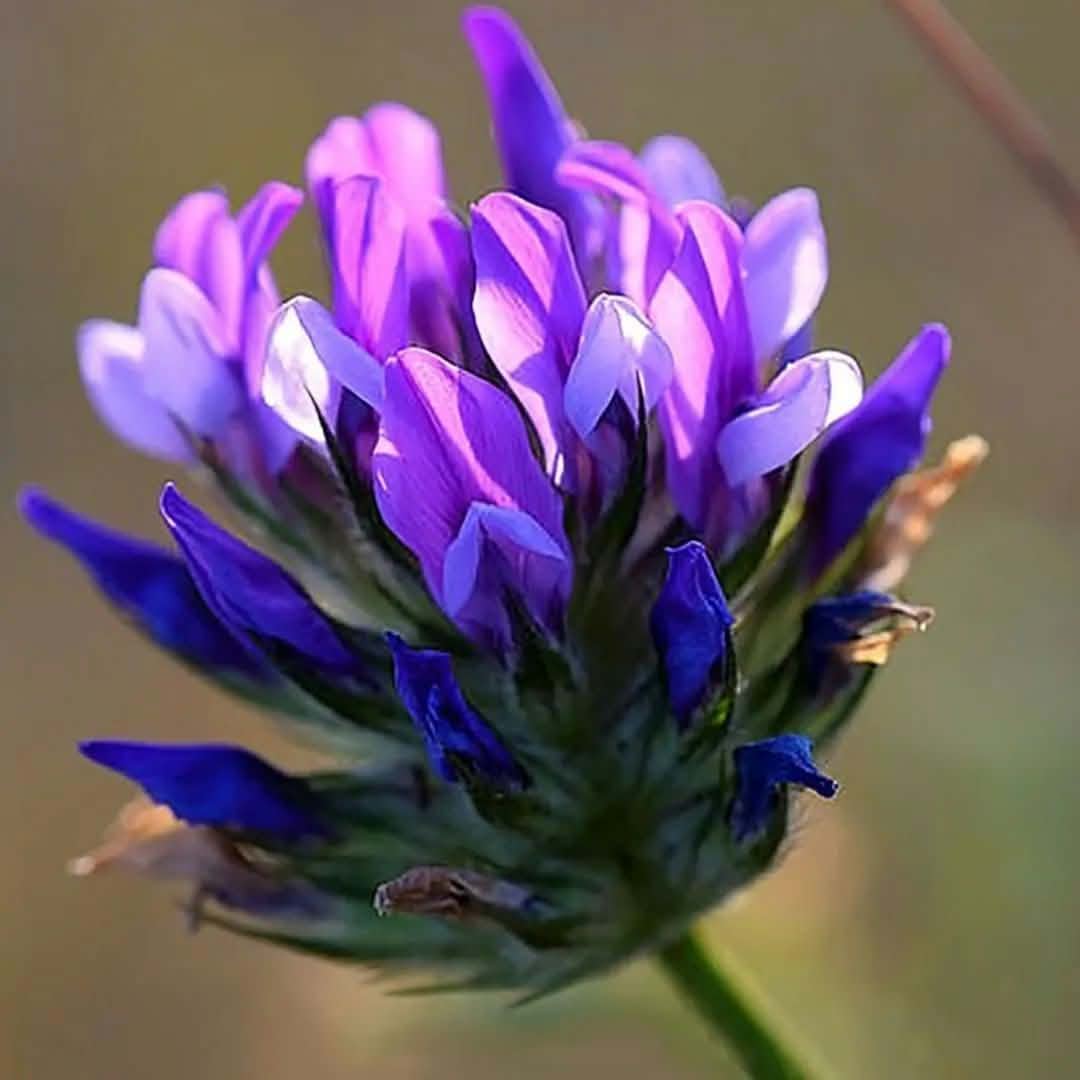
Bakuchiol comes from the seeds of babchi, a plant that grows across India and has been used there for centuries. It is a single compound, not an oil or a blend, and it can be separated from the seed and purified.
It is often described as a “natural retinol”. It isn’t one. It looks nothing like retinol and is not a form of vitamin A. What made researchers interested is that, despite being built differently, it seemed to move skin in a similar direction, without the irritation.
That was the question the UC Davis trial set out to test.
What the study measured
In 2017, the Department of Dermatology at the University of California, Davis ran a randomized, double-blind trial. Forty-four adults aged 31 to 56 were split into two groups. One group applied a 0.5% bakuchiol cream twice a day. The other applied a 0.5% retinol cream every night, the way retinol is normally used.
Neither the participants nor the dermatologist grading them knew who was using which. Faces were photographed under identical lighting at the start and at weeks 4, 8 and 12, and the photographs were analyzed by software rather than judged by eye. The study was funded by the university’s own department.
The headline results are below. The full side-by-side table, including every row where retinol came out ahead, is further down the page.
- Fine-line area at 12 weeks: 19.0% less with bakuchiol, 23.2% less with retinol.
- Uneven pigmentation at 12 weeks: improved for 59% of people using bakuchiol and 44% using retinol, graded by a dermatologist.
- Flaking: significantly more in the retinol group, at every check-in.
- Stinging: significantly more in the retinol group.
- Between the two: the differences on fine lines and on pigmentation were not statistically significant.
How to read those numbers
Three things stand out, and one of them is not in bakuchiol’s favor.
- Both worked, and to a similar degree. Retinol’s numbers on fine lines were a little higher. Bakuchiol’s number on pigmentation was higher. Neither difference was large enough to count as real. The researchers’ conclusion was that the two were comparable.
- The real difference was how skin felt along the way. The retinol group flaked significantly more at every check-in and reported significantly more stinging. That is the part of retinol people give up on, and it is the part bakuchiol largely didn’t have.
- It takes twelve weeks. At four and eight weeks, the changes were small. The change that counted came at twelve. If you are going to use it, use it long enough to find out.
We would rather show you the whole table
The study is small, it ran for twelve weeks and it had no group using a plain cream. It is still the best head-to-head evidence there is, and it was done properly. That is why we show you every row of it, rather than the best line in it.
How it does it
Bakuchiol is not a retinoid, so it does not act on skin the way retinol does. In laboratory skin models, the two nudge skin in strikingly similar directions anyway, which is the best explanation researchers have for the results above. The fact that bakuchiol gets there by a different route is the likeliest reason it didn’t bring the flaking and stinging with it.
It is also an antioxidant, and it does not make skin more sensitive to light. In the trial, people used it morning and evening, in daylight, with no problems.
What that means for you is simple. Over a few months, skin looks smoother, fine lines look softer and tone looks more even, without spending the first month recovering from the thing that was meant to help.
“Bakuchiol” on a label doesn’t tell you which one
Here is the part most people never hear.
The trial used bakuchiol that was over 99% pure, with the psoralens taken out. Psoralens are compounds that occur naturally in babchi seeds and make skin react more strongly to sunlight. Both studies trace back to Sytheon, the company behind Sytenol A. The first was Sytheon’s own, and the UC Davis creams were made by Sytheon.
The results belong to that material. A product can contain something else and still put the word “bakuchiol” on the front:
- Purified bakuchiol, listed in the ingredients simply as Bakuchiol. This is what the research used, though purity still varies by supplier.
- Babchi seed oil or extract, listed as Psoralea Corylifolia Seed Oil or Seed Extract. This is the whole seed, not the isolated compound, and it can carry the psoralens the research material had removed.
- Very little of either. The percentage is rarely printed.
How to check a label
None of this is visible on the front of a bottle. Two things on the back help: the ingredient name, and whether the brand will tell you the percentage and the source. A brand using a good material will be glad you asked.
The bakuchiol in Recovery Night Face Oil
Ours is Sytenol A: bakuchiol CO2-extracted from babchi seed and over 99% pure. It comes from the company whose bakuchiol the research was built on, at the same purity the trial used.
We use it at 1%, the highest level its maker recommends, in every batch. It is listed in our ingredients as Bakuchiol, and we will tell anyone who asks where it comes from.
To be clear about what the study does and doesn’t cover: it tested bakuchiol in a cream, at 0.5%, twice a day. It did not test Recovery. Recovery is an oil, made fresh in small batches, with bakuchiol at 1% alongside pomegranate, rosehip and prickly pear seed oils, worn once a night as the last layer. What the study tells you is that this ingredient, in this purity, does what we say it does. Whether our oil suits your skin is something only twelve weeks of using it will tell you.
What it’s worth to you and your skin
- What you notice. Over twelve weeks, skin that looks smoother, fine lines that look softer and tone that looks more even.
- What you don’t go through. Weeks of flaking and stinging. For skin that is already drier and slower to settle, that is the difference between a routine you keep and one you abandon.
- What it costs. A 30ml bottle of Recovery is $72. At four to seven drops a night, it lasts eight to twelve weeks. That is roughly a dollar a night for the bakuchiol the studies used, at the highest level its maker recommends, in an oil made within weeks of reaching you.
- What it asks of you. Patience, mostly. Twelve weeks is a season. Start now, look again in February.
How to use it
Every night, after Lumé, press four to seven drops into your face and neck as the last layer. Nothing goes on top. It is gentle enough for daytime too, but Protect is the morning oil in our routine, and in the morning, sunscreen always comes last.
Sources
- Dhaliwal S, Rybak I, Ellis SR, et al. Prospective, randomized, double-blind assessment of topical bakuchiol and retinol for facial photoageing. British Journal of Dermatology 2019;180(2):289–296. doi:10.1111/bjd.16918. Funded by the Department of Dermatology, UC Davis.
- Chaudhuri RK, Bojanowski K. Bakuchiol: a retinol-like functional compound revealed by gene expression profiling. International Journal of Cosmetic Science 2014;36(3):221–230. doi:10.1111/ics.12117. Authors from Sytheon Ltd.
Aphora Botanicals
The whole table, not the best line
We don’t put an ingredient on the front of a bottle because it is fashionable. We put it there when we can tell you what it is, where it comes from, what the evidence says, and what the evidence doesn’t say.
With bakuchiol, that meant choosing the material the research was actually built on, using it at the level its maker recommends, and showing you the whole table, including the rows where retinol came out ahead.
Comparison
| Bakuchiol 0.5%, twice a day | Retinol 0.5%, every night | |
|---|---|---|
| Fine-line area, week 4 | 5.0% less | 8.3% less |
| Fine-line area, week 8 | 6.4% less | 11.1% less |
| Fine-line area, week 12 | 19.0% less | 23.2% less |
| Uneven pigmentation improved, week 12 (dermatologist graded) | 59% of people | 44% of people |
| Flaking | Less | Significantly more, at every check-in |
| Stinging | Less | Significantly more |
| Itching and burning | Fewer reports | More reports (not statistically significant) |
| Redness | A slight rise at week 4, gone by week 8 | No lasting change |
| Bakuchiol vs retinol on lines and pigmentation | No statistically significant difference | No statistically significant difference |
Frequently Asked Questions
Common Questions
No. It is a plant compound from babchi seeds and is not a form of vitamin A. It was compared with retinol because, in the research, it produced similar visible results with less irritation.
In the UC Davis trial, the change in fine lines became significant at twelve weeks. Give it twelve weeks of nightly use before you judge it.
That is who it is most often for. In the trial, bakuchiol caused significantly less flaking and stinging than retinol. Start slowly if your skin is reactive, and stop if it disagrees with you.
Yes. Bakuchiol does not make skin more sensitive to sunlight, and in the trial it was used morning and evening. In our routine, Recovery is the night oil and Protect is the morning one.
Look at the ingredient list. “Bakuchiol” means the isolated compound; “Psoralea Corylifolia Seed Oil” or “Seed Extract” means the whole seed. Then ask the brand for the percentage and the source. A brand using a good material will be glad you asked.
It is the highest level the maker of Sytenol A recommends. The trial used 0.5% twice a day; we use 1% once a night, as the last layer.